
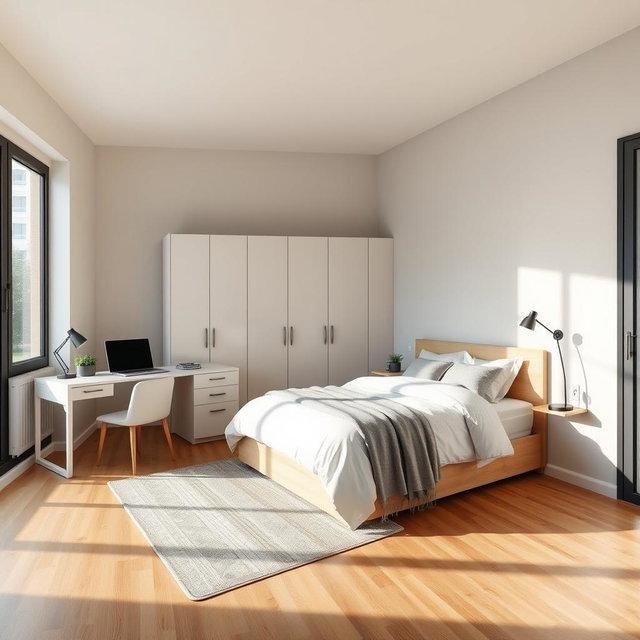
Finding a rental home that fits your budget is an important part of making a comfortable and stress-free move. Whether you are looking for a rental room, a 1 BHK flat, or a spacious family apartment in Noida, choosing the right property involves more than comparing monthly rent. You also need to consider your daily expenses, security deposit, maintenance charges, location, and the facilities you need.
A home should provide comfort and convenience without putting unnecessary pressure on your finances. With proper planning and a clear understanding of your priorities, you can find a rental property that suits both your lifestyle and your budget.
In this guide, we will explain how to plan your rental budget, compare properties, manage additional expenses, and make a confident decision when choosing your next home.
1. Calculate Your Monthly Rental Budget
Before starting your property search, take a close look at your monthly income and regular expenses. Decide how much you can comfortably spend on housing while leaving enough money for food, transportation, savings, and other essential needs.
Avoid choosing a property based only on the maximum rent you can afford. Instead, consider how much you can consistently pay every month without compromising your financial priorities.
Prepare a simple budget that includes:
- Monthly rent.
- Electricity and water bills.
- Maintenance charges.
- Internet and other household expenses.
- Transportation costs.
- Savings and emergency expenses.
Your budget should reflect your actual lifestyle and financial responsibilities. Setting a realistic limit from the beginning will help you focus on suitable rental options and avoid unnecessary financial stress.
2. Consider the Total Cost of Renting
One of the most common rental mistakes is focusing only on the monthly rent. In reality, the total cost of renting a property may include several additional expenses.
For example, a flat with lower rent may require higher commuting costs or separate maintenance payments. Another property with slightly higher rent may offer better connectivity or include certain facilities, potentially making it more convenient overall.
Before finalising a property, ask about the security deposit, maintenance fees, parking charges, electricity, water, and any other applicable costs.
Also, remember to account for one-time expenses such as moving, furniture purchases, and household essentials.
Comparing the complete cost of different properties gives you a clearer picture of what you can genuinely afford.
3. Choose a Location That Matches Your Budget
Location can have a significant impact on both rental prices and everyday expenses. Properties in different sectors of Noida may vary in price depending on their connectivity, nearby facilities, building amenities, and neighbourhood.
Start by identifying the areas that are convenient for your workplace, college, or daily activities. Then compare rental options in those locations and nearby sectors.
Consider these factors when evaluating an area:
- Distance from your workplace or educational institution.
- Access to metro stations and public transportation.
- Availability of grocery stores, hospitals, and markets.
- Daily commuting time and transportation costs.
- Neighbourhood facilities and accessibility.
A flat located farther from your workplace might have lower rent, but the additional travel time and cost could reduce those savings.
The goal is to find a location that offers a practical balance between affordability, convenience, and your daily routine.
4. Choose the Right Property Size
The size of your rental home should match your actual requirements. Choosing a property that is larger than necessary can increase your rent and maintenance expenses, while selecting a space that is too small may affect your comfort.
Before beginning your search, consider how many rooms you need, how much storage space is necessary, and whether you require a separate area for working from home.
For example, a compact rental room or 1 BHK flat may suit someone who wants a practical and affordable living space. A couple or small family may prefer a larger flat with additional bedrooms and a separate living area.
Think about your current needs as well as any expected changes in your household. Choosing the right size can help you manage your budget without sacrificing essential comfort.
5. Decide Which Amenities Are Essential
Modern rental properties may offer facilities such as furnished rooms, wardrobes, modular kitchens, lifts, parking, power backup, and building security.
Although these amenities can make everyday life more convenient, not every facility may be necessary for your situation.
Make two lists before viewing properties: essential features and optional features.
Your essential features might include a reliable water supply, a suitable location, sufficient space, and a functional kitchen. Optional features could include premium interiors, additional recreational facilities, or extra storage.
Prioritising your needs helps you avoid paying more for features you may rarely use.
However, do not compromise on important aspects such as safety, basic facilities, and the condition of the property simply to secure a lower rent.
6. Compare Multiple Rental Properties
Do not finalise the first property that appears suitable. Comparing several options can help you understand local rental prices and identify better value for your money.
Create a comparison list containing the following information:
- Monthly rent and security deposit.
- Property size and number of bedrooms.
- Furnishing and included appliances.
- Maintenance fees and other expenses.
- Distance from important locations.
- Property condition and available facilities.
Review each property according to your priorities rather than choosing solely on price.
For example, a slightly more expensive flat might be a better choice if it significantly reduces commuting costs or includes facilities you would otherwise need to pay for separately.
Careful comparison helps you make a decision based on overall value rather than the advertised rent alone.
7. Understand the Security Deposit and Rental Terms
A security deposit can be a significant initial expense when moving into a rental home. Before making any payment, confirm the amount, the payment terms, and the conditions under which the deposit will be returned.
Ask the landlord or authorised representative about the notice period, maintenance responsibilities, rent revision terms, and any deductions that may apply when you move out.
Read the rental agreement carefully and make sure the agreed conditions are documented in writing.
You should also ask whether any advance rent or additional payment is required before moving in. Keep payment receipts and a copy of the signed agreement for your records.
Understanding these terms in advance can help you plan your initial expenses and reduce the risk of unexpected costs later.
8. Inspect the Property Before Making a Decision
A property may look attractive in photographs, but its actual condition can affect your expenses after moving in.
Before finalising a rental home, inspect the walls, floors, electrical fittings, plumbing, doors, windows, and bathroom fixtures. Check the water supply, ventilation, and condition of any furniture or appliances included with the property.
Look for visible signs of dampness, leakage, or damage that may require repairs.
Ask the landlord who is responsible for maintenance and whether any necessary repairs will be completed before you move in.
A proper inspection helps you identify potential problems early and understand whether the property offers good value for the rent being charged.
9. Plan Your Moving and Setup Expenses
Moving into a new rental home often involves expenses beyond rent and the security deposit. These initial costs can affect your budget, especially if you are relocating from another city or setting up a household for the first time.
Depending on your circumstances, you may need to budget for:
- Packing and transportation.
- Furniture and household essentials.
- Kitchen equipment and appliances.
- Internet installation.
- Cleaning or minor setup requirements.
If you choose a furnished property, some of these expenses may be lower. An unfurnished property may offer more flexibility but require a larger initial investment.
Prepare a separate moving budget so that these costs do not interfere with your monthly expenses or emergency savings.
10. Avoid Common Budgeting Mistakes
Even with a reasonable rental budget, certain mistakes can make housing more expensive than expected.
Here are some common issues to avoid:
Choosing a property based only on low rent: Check the location, condition, maintenance costs, and transportation expenses before deciding.
Ignoring additional charges: Confirm which bills and fees are included in the rent and which must be paid separately.
Spending your entire savings on moving: Keep sufficient funds available for emergencies and unexpected expenses.
Paying before verifying the property: Confirm the property details and the recipient’s authority before transferring a deposit.
Selecting unnecessary amenities: Focus on the features you genuinely need rather than paying extra for facilities you may not use.
Skipping the rental agreement: Understand the payment terms, notice period, and deposit refund conditions before signing.
Avoiding these mistakes can make your rental experience more predictable and financially manageable.
11. Create a Simple Rental Budget Plan
A basic rental budget can help you compare different properties more effectively. Before beginning your search, estimate the amount you can allocate to each housing-related expense.
You can organise your budget into three categories:
Monthly housing expenses: Rent, maintenance charges, utilities, internet, and other recurring costs.
Initial moving expenses: Security deposit, moving services, furniture, and household setup.
Emergency savings: Money reserved for unexpected repairs, temporary expenses, or changes in your circumstances.
Once you have estimated these costs, compare them with your income and other financial responsibilities.
Adjust your property requirements if necessary. You may discover that a different location, a smaller flat, or a semi-furnished property provides a more suitable balance between comfort and affordability.
A clear budget makes the search process more focused and helps you avoid committing to expenses that are difficult to maintain.
12. Choose Long-Term Value Over Short-Term Savings
The cheapest rental property is not always the most economical option in the long run. A property with poor connectivity, frequent maintenance issues, or unsuitable facilities may create additional costs and inconvenience.
Instead of focusing only on the monthly rent, evaluate the overall living experience.
Consider whether the location supports your daily routine, whether the property is well-maintained, and whether the rental terms are clear and manageable.
A home that meets your essential needs and offers reasonable convenience may provide better long-term value than a cheaper property that creates regular difficulties.
The right decision should balance affordability, comfort, accessibility, and financial stability.
Final Thoughts
Choosing a rental home that fits your budget requires careful planning and a clear understanding of your priorities. By calculating your monthly expenses, comparing different properties, evaluating locations, and checking additional charges, you can make a more informed rental decision.
Remember that your ideal home does not need to be the most expensive property or the one with the most amenities. It should be a place that meets your essential requirements, fits your financial situation, and supports your everyday lifestyle.
At Renters Adda, we aim to make finding rental flats and rooms in Noida simpler and more convenient. By understanding your preferences, location requirements, and budget, you can explore suitable options and move closer to finding a place you will be happy to call home.
Looking for a rental home in Noida? Connect with Renters Adda for assistance in exploring rental properties that match your needs, preferences, and budget.